
Why does my car shake when braking ?

Many drivers experience a frustrating shaking or vibration in the steering wheel or brake pedal whenever they slow down. If you are dealing with this, you are definitely not alone. This common issue has been diagnosed countless times across auto repair shops in the United States, and it is a clear sign that something in your vehicle requires immediate attention. Identifying the root cause early on can prevent further, costly damages down the road. Let’s dive into the most common reasons behind a braking shake and explore the best ways to fix it.
Quick Answer
If your car shakes when braking, the root cause usually boils down to three main culprits: warped brake rotors, worn brake pads, or issues with tire balance and the steering/suspension system.
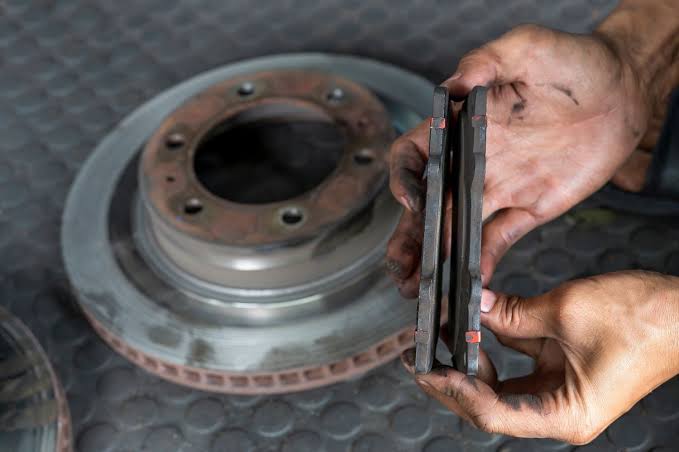
1 – Uneven Wear of Brake Pads :
Brake pad wear is normal over long periods of use, but when they wear unevenly, they harden (due to high heat), which reduces their ability to grip the rotor. Not only that, but they also produce strange noises such as squeaking and grinding. This happens either because of frequent hard braking or driving in traffic jams and braking repeatedly. It is recommended to take the car to a specialist as soon as possible if you see any of these symptoms so that it does not lead to damage to the brake rotors, which increases repair costs.
2 – Warped Brake Rotors :
Among the common causes of car shaking during braking are warped brake rotors due to heat and friction. This warping causes a sensation of pulsing or vibration in the steering wheel or brakes during braking.
3 – Suspension System Problems :
A car shaking during braking may not always be caused by the brakes; it could be due to a defect in the suspension or steering system, which are responsible for maintaining the car’s stability and balance, especially during braking or cornering.
Worn ball joints, loose tie rods, or damaged control arm bushings can lead to wheel misalignment or increased movement. When pressing the brakes, it becomes difficult for the suspension system to maintain the car’s stability, making the vibration clearly visible.
This problem typically increases when braking on inclines or while driving at high speeds. Therefore, it is advised to inspect the suspension and steering systems along with the brake system, as the shaking could be caused by a defect in both systems together.
4 – Tire or Wheel Imbalance :
Imbalance in your car’s wheels or tires can cause a continuous vibration that gets worse when pressing your car’s brakes or slowing down. You might also notice the vibration while driving at a constant speed, and this can happen for reasons including changing your car’s tires recently, or hitting a curb by mistake or a pothole while driving.
5 – Stuck Brake Caliper :
The brake caliper works to press the brake pads against the rotors to slow your car down. When one of the calipers gets stuck, the braking pressure becomes uneven between both sides of the car, causing a vibration that increases as you continue driving the car.
You might also notice the car pulling slightly to one side or a burning smell, which are signs that one of the brakes is working harder than the other.
Therefore, you should not ignore this problem, because it can lead to damage to the brake rotors and a decrease in braking efficiency.